Walkthrough · Story hub

Onimusha: Way of the Sword Main Story Guide

A standalone dark-fantasy tale set in a Genma-ravaged Edo-period Kyoto. Miyamoto Musashi — modeled on Toshiro Mifune — carries the Oni Gauntlet through a chapter-based campaign of roughly 20 hours, with a standard ending and a conditional true ending.

QUICK ANSWER

The short answer

Onimusha: Way of the Sword tells a standalone story in a Genma-ravaged Edo-period Kyoto: Musashi arrives carrying the Oni Gauntlet, an armament housing the mysterious Oni Lady, and each district of the city plays out as a chapter of a larger conspiracy. The campaign runs roughly 20 hours as a linear story with open exploration zones, and a mid-game twist reframes the Genma as a coordinated force trying to tear a permanent rift between worlds. Clearing the final boss plays the standard ending; the wiki source lists extra conditions — all Oni Memories, all Takamura Training Sessions, the optional Ganryu duel, and a low hidden corruption meter — for the fuller true ending, though sister pages report a different condition set (see the true ending guide). No knowledge of earlier Onimusha games or the Netflix series is required.

Setting
Edo-period Kyoto
Overrun by the Genma
Protagonist
Miyamoto Musashi
Likeness of Toshiro Mifune, licensed from Mifune Productions
Structure
Chapter-based
Linear main path with open zones
Main story length
~20 hours
15-18h story-only per community estimates
Completionist
30-35 hours
True ending adds ~5 hours
Series continuity
Fully standalone
No prior games or Netflix series needed
Endings
2
Standard plus a conditional true ending

Premise

A blood-soaked Kyoto and the Oni Gauntlet

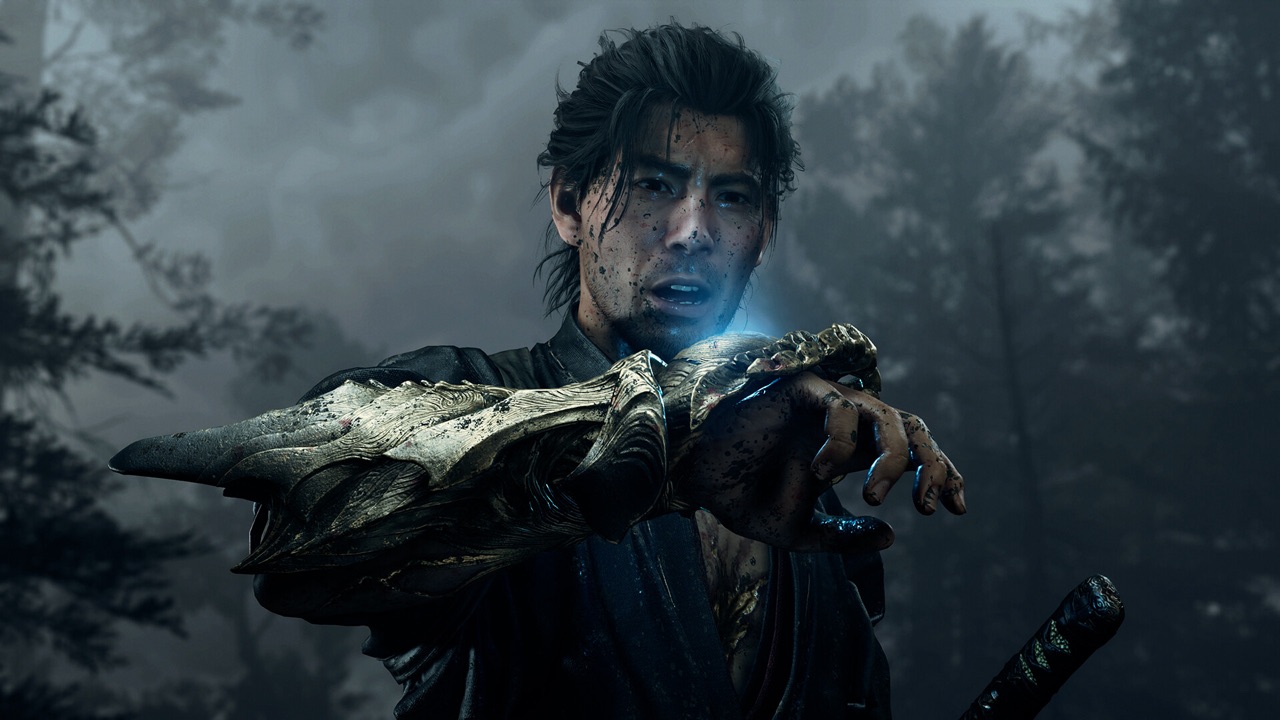
Capcom's return to the Onimusha franchise drops players into a blood-soaked Edo-period Kyoto overrun by the Genma. The story follows Miyamoto Musashi, whose face is modeled after Toshiro Mifune — likeness rights were licensed from Mifune Productions after two years of negotiations — and the tale stands completely separate from prior Onimusha games and the Netflix series.

Musashi carries the Oni Gauntlet, an armament that houses the Oni Lady, a mysterious guiding presence who offers increasing power in exchange for more souls. According to the wiki source, players who accept every upgrade see Musashi become more aggressive and less controlled in cutscenes — a mechanical-narrative link the guide calls one of the game's strongest storytelling choices.

The conspiracy comes into focus at Ichijo Temple, where mentor Ono no Takamura explains that the demons seek to open a permanent rift between worlds, using Kyoto's spiritual energy as a catalyst. That revelation turns a simple revenge tale into a race against time.

Cast

Main characters and their motives

Each supporting character carries a hidden agenda that the true ending resolves — Takamura's gatekeeping, Okuni's intelligence on the Genma's origin, and Ganryu's rivalry all feed the finale. Note that the wiki source lists the same English voice actor for Musashi and Takamura, which looks like a copy error; treat the cast table as single-source until cross-checked against official credits.

Main story characters (voice cast per the wiki source)
CharacterRole in the storyEnglish VAJapanese VA
Miyamoto MusashiProtagonist; bearer of the Oni GauntletKenichiro ThomsonYoshimasa Hosoya
Oni LadyMysterious presence inside the Gauntlet; guide and tempter
Ono no TakamuraSword mentor and gatekeeper; reveals the Genma plan at Ichijo TempleKenichiro Thomson (as listed)
Izumo no OkuniKabuki dancer; source of Genma-origin intelligence
Sasaki GanryuRival (Sasaki Kojiro); the story's moral counterweightTashinga BepeteNobuhiko Okamoto

Endings

Standard ending vs. true ending conditions

The standard ending plays automatically if you simply clear the final boss: Musashi defeats the Genma Lord but remains bound to the Gauntlet. The true ending is gated behind extra conditions, and this is where sources disagree — do not merge the competing lists.

Per this page's wiki source, the true ending needs four things: collect all Oni Memories, complete every Takamura Training Session, win the optional post-chapter duel against Ganryu after your final story confrontation, and keep a hidden corruption meter below 30% — the meter rises when Musashi absorbs souls without resting at save points, and high corruption locks the true ending regardless of other progress.

The true-ending sister page reports a different set (five Oni Gauntlet Seals, the Rasho Gan super-boss, three S-ranks, and a Chapter 11 duel flag), while the hidden-area guide ties the ending to a Rasho-gan fragment. All three condition sets are mutually exclusive claims from single sources; compare them on the true ending page before planning a run.

Pacing

Campaign length and chapter structure

The campaign is chapter-based: Kyoto's districts act as open exploration zones strung along a linear main path, with each district playing out as one chapter of the conspiracy. Official materials and the story trailer put the main story at roughly 20 hours.

Community estimates in the same source break that down further: 15-18 hours if you mainline the story, 30-35 hours for full completion, and about 5 extra hours if you chase the true-ending conditions. There is no branching main plot — behavior metrics influence dialogue, character reactions, and the ending rather than the mission order.

Direct answers

Frequently asked questions

How long is Onimusha: Way of the Sword's main story?

Official materials quote roughly 20 hours for the main story. The wiki source estimates 15-18 hours story-only, 30-35 hours for full completion, and about 5 extra hours for the true-ending route.

Do I need to play the older Onimusha games first?

No. Way of the Sword is a standalone tale with no story links to the 2001-2006 games or the Netflix series, so it is a clean entry point.

How many endings does the game have?

Two: a standard ending for simply beating the final boss, and a true ending gated behind extra conditions. The exact condition list is reported differently across sources — compare this page with the true ending guide before planning a run.

Do dialogue choices change the story?

There are no branching main missions. Choices and behavior metrics affect dialogue, character reactions, support from Takamura and Okuni, and which ending you get.

Who plays Musashi?

Musashi's face is modeled after Toshiro Mifune, licensed from Mifune Productions. The wiki source lists Kenichiro Thomson (EN) and Yoshimasa Hosoya (JP) as his voice actors.

Where this comes from

Sources